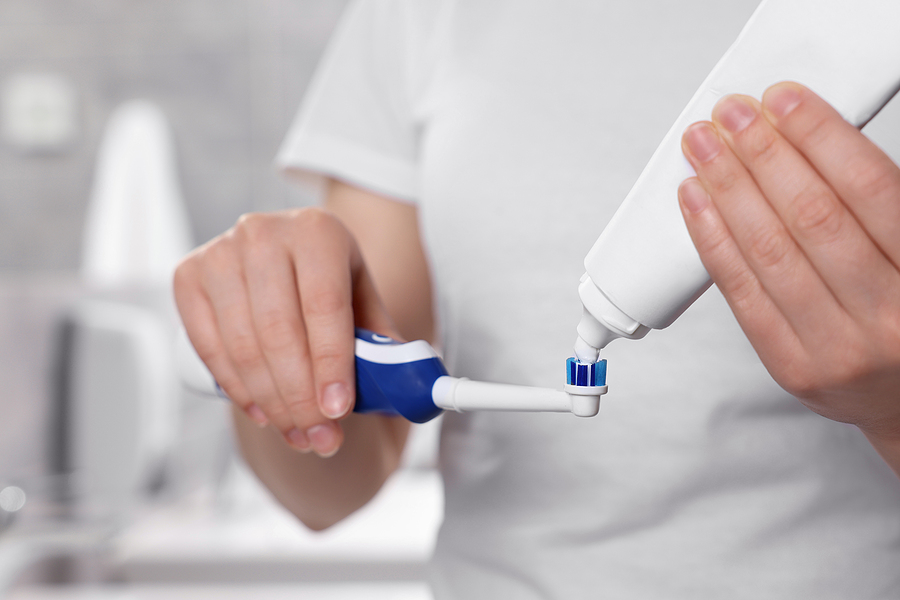
Our dentists generally recommend brushing before breakfast rather than after. Brushing first removes the bacterial buildup that accumulates overnight and coats teeth with a protective layer of fluoride before food and drink arrive. Keep reading to learn more.
What Happens in the Mouth Overnight
To understand why the timing of morning brushing matters, it helps to understand what the mouth is doing during the hours it spends without food, water, or mechanical activity that naturally disrupts bacterial growth.
For starters, saliva is the mouth’s primary defense system. It flows steadily throughout waking hours. But at night, it largely stops.
Salivary glands reduce their output dramatically during sleep. Without the steady flow of saliva to wash, neutralize, and remineralize, the oral environment shifts. Bacteria that would ordinarily be rinsed away begin to accumulate on tooth surfaces, the gumline, and the tongue. Acids that would be neutralized within minutes during the day linger.
The human mouth contains over 700 species of bacteria. The balance between these populations is partly maintained by saliva flow. And when that flow drops overnight, the balance shifts. Consider this:
- Bacterial counts in saliva increase rapidly during sleep and reach their peak upon waking.
- There are measurable differences in the composition of oral bacteria between morning and nighttime samples.
- Some genera associated with gum inflammation are present at higher levels in the morning.
Meanwhile, oral bacteria are not passive. They metabolize available sugars and produce acid as a byproduct, contributing to the very conditions that lead to enamel erosion and gum disease over time.
The Result of Overnight Bacterial Activity in the Mouth
The result of overnight bacterial activity is something nearly everyone experiences: the sticky, filmy sensation on teeth in the morning and the odor known as “morning breath.” Both are direct products of bacterial overgrowth and metabolic activity during sleep.
Mouth breathing worsens this effect considerably. Open-mouth breathing during sleep further dries the oral environment, removing what little salivary protection remains and accelerating bacterial growth.
The film that accumulates on teeth overnight is a structured bacterial biofilm, commonly known as plaque. Biofilm is a more complex and more resistant form of bacterial organization than free-floating bacteria. Bacteria within a biofilm produce a protective matrix of sugars and proteins that shields them from saliva, immune responses, and even some antiseptic rinses.
If this biofilm isn’t disrupted before the first meal of the day, breakfast effectively delivers a supply of fermentable carbohydrates and sugars directly to a well-established bacterial colony. The bacteria metabolize those sugars rapidly, producing a surge of acid that can lower the oral pH below the 5.5 threshold at which enamel begins to demineralize.
The Case for Brushing After Breakfast
The instinct to brush after eating is not without logic. Food leaves residue, particles, and sugar on and between teeth, and removing that debris before it can fuel bacterial activity is a sound principle.
The after-breakfast approach is least problematic when breakfast consists primarily of low-acid, low-sugar foods. In these cases, the acid load on enamel is modest, the softening effect is minimal, and the window before it is safe to brush is relatively short.
If brushing after breakfast is the chosen approach, timing is the variable that determines whether it is protective or counterproductive. Brushing too soon after eating puts a toothbrush against enamel that has been temporarily softened by acid exposure. The mechanical action of brushing in this window can physically abrade the weakened mineral surface, accelerating the very erosion it is meant to prevent.
Why Brushing Your Teeth Immediately After Eating Can Backfire
When acidic foods or drinks make contact with enamel, they initiate a process called demineralization. This is when acid dissolves calcium and phosphate ions from the enamel surface, temporarily softening it.
Saliva naturally begins neutralizing the acid and redepositing minerals back into the enamel surface within minutes. Given enough time and a neutral oral environment, enamel can largely recover from this temporary softening.
Brushing at this point applies mechanical force to a structurally weakened surface. So the result is accelerated enamel wear that would not have occurred had brushing been delayed. Over time, this pattern can leave you more susceptible to tooth decay.
FACT: The American Dental Association(ADA) suggests waiting 30-60 minutes after breakfast to brush your teeth.
What to Do While You Wait
For those committed to brushing after breakfast, the gap between eating and brushing doesn’t have to be wasted time. Several habits help the mouth recover more quickly from acid exposure.
For example, avoid acidic foods and include calcium-rich foods at breakfast instead. Dairy products actively help neutralize acid and contribute calcium directly to the remineralization process. This can also help shorten the time needed before brushing is safe.
Then, rinse with plain water immediately after eating or drinking. Water raises oral pH, dilutes residual acids, and initiates remineralization without the risk of abrasion.
The Case for Brushing Before Breakfast
The bacterial biofilm that forms during sleep reaches its peak density and activity first thing in the morning. Brushing before breakfast physically disrupts and removes this film before the first meal of the day, delivering the fermentable carbohydrates and sugars that bacteria need to produce acid at scale.
When brushing comes after breakfast instead, food arrives at an undisturbed overnight bacterial colony that reacts immediately. Acid production can begin within minutes of eating, and enamel is exposed to that surge before any overnight biofilm has been cleared.
Brushing before breakfast inverts this sequence entirely: bacteria are removed, fluoride is applied, and food arrives on a cleaner, better-protected surface.
Technique vs. Timing
Timing gets the attention in this debate. However, technique determines how effective any brushing session is, regardless of when it happens. A well-timed brush with poor technique provides less protection than the timing alone would suggest. Here are some quick tips:
- Use a soft-bristled brush.
The ADA recommends soft-bristled toothbrushes for all patients, and this is especially important for anyone whose morning routine includes acidic foods, since those surfaces are already more vulnerable to abrasion.
- Use light pressure.
Pressing too hard compresses bristles against the tooth surface, reducing their reach into the spaces where plaque accumulates while increasing the risk of abrasion at the gumline.
- Angle toward the gumline.
Short, gentle strokes that move slightly beneath the gumline are more effective than broad sweeping motions across the tooth surface.
- Brush for a full two minutes.
Dividing the mouth into four quadrants and spending 30 seconds on each ensures complete coverage without relying on feel alone.
- Don’t rinse with water after brushing.
Spit out excess toothpaste and leave the fluoride residue on the teeth. This applies regardless of when brushing occurs.
Where Floss Fits In
Floss before brushing, not after. Flossing dislodges plaque and food particles from between teeth and just beneath the gumline. Brushing afterward sweeps away what flossing has loosened and allows fluoride toothpaste to penetrate the newly cleaned spaces between teeth that were previously blocked by plaque.
Night flossing matters more than morning. Removing interproximal plaque and food debris before six to eight hours of reduced saliva flow deprives overnight bacteria of their primary fuel source. Food left between teeth at bedtime feeds bacterial activity all night. Food removed before sleep does not.
But consistent flossing beats perfect flossing. For anyone who finds nighttime flossing difficult to sustain, a reliable morning habit is meaningfully better than an evening habit that gets skipped three nights out of five.
Flossing at the same time every day, whatever that time is, builds the consistency that produces long-term improvements in gum health. Contact your dentist for more tips and techniques.
Special Considerations
The general recommendation to brush before breakfast applies to most people in most situations. But certain circumstances shift the calculus.
For instance, if a consistent pre-breakfast routine proves genuinely unworkable, brushing after breakfast with an appropriate waiting period is far preferable to skipping morning brushing altogether.
Moreover, the fluoride concentration in toothpaste matters, and the amount used should be age-appropriate. These guidelines exist because young children often swallow toothpaste instead of spitting it out, and excessive fluoride ingestion during tooth development can affect the formation of permanent teeth.
The Takeaway
Brushing before breakfast removes the bacterial biofilm that accumulates overnight, before food amplifies its activity. It also applies a protective fluoride barrier before the first acid exposure of the day. For most people in most circumstances, it is the stronger and more consistently protective choice.
That said, brushing after breakfast is also a reasonable approach. The worst outcome in this debate is not brushing at the wrong time. It’s not brushing at all.
Brushing timing is one piece of a larger picture. No home routine, however consistent, catches everything. That’s what regular professional cleanings and exams are for. Contact Dickinson and Branon Dental Care to learn more.
Our dentists can tailor recommendations to circumstances that general guidance can’t account for. The right habits at home, combined with regular professional care, are the foundation of long-term oral health. Schedule your appointment today.