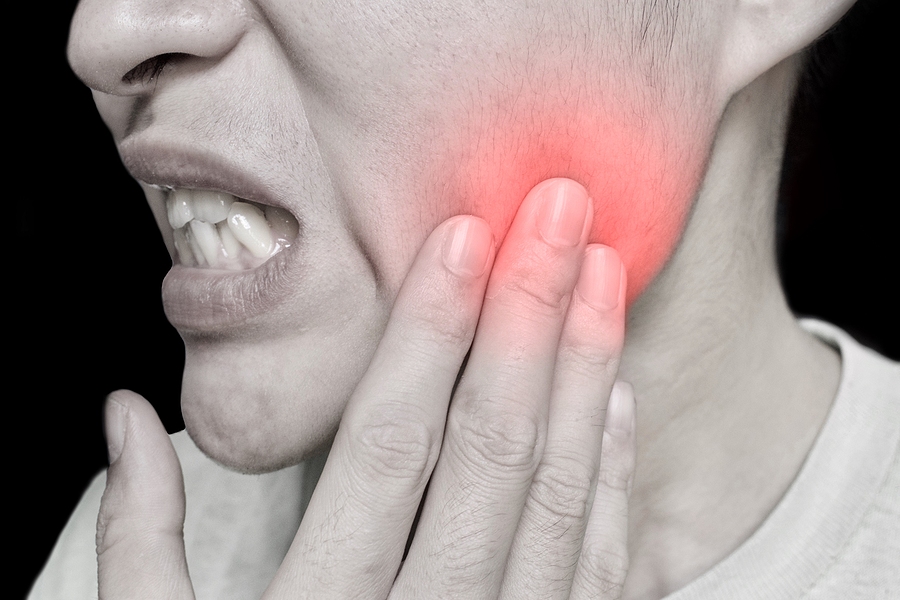
Some post-treatment swelling is normal; some is not. Understanding the difference between what’s expected and what warrants concern is important. Let us know if you experience extreme swelling, discomfort, or inflammation that’s spreading after dental care. In the meantime, here’s what you should know.
What Normal Post-Treatment Swelling Looks Like
Swelling is generally expected after dental procedures such as a tooth extraction, a root canal, or an implant. That’s because inflammation is your body’s natural response, and most of the time, the puffiness goes away on its own after a few hours or days.
Carefully following the aftercare instructions, sticking to soft foods, and taking all necessary precautions matter. However, those steps don’t automatically guarantee no complications or prolonged swelling. How your body responds to dental treatment is also a factor.
Occasionally, swelling after dental care lasts longer than it should. If your puffiness doesn’t improve or gets worse after a few days post-treatment, it can be an early sign that something else is happening. And catching the issue early can help make treatment simpler, less expensive, and more effective.
Why Swelling Happens After Dental Care
Oral swelling can occur after certain dental treatments because of the mouth’s response to trauma. Getting a tooth pulled or having new teeth implanted is considered oral trauma, even though both are protective or aesthetic measures. The body responds by sending fluids to that area to protect and heal it. So, swelling in general is not a sign that something is wrong.
Normal post-treatment swelling lasts about 48-72 hours in most cases. The fluid gradually decreases as your mouth heals, and is typically manageable with cold compresses, rest, anti-inflammatory medications, and whatever your dentist puts in the aftercare plan.
If your swelling does not go away after 48-72 hours, or if it appears to get worse, don’t wait to schedule a follow-up appointment with your dentist. Infections can quickly escalate and cause additional problems or pain, but addressing infections sooner rather than later can help prevent that.
Signs Something Might Be Wrong After Dental Treatment
By day three, your mouth shouldn’t be swollen at all anymore. If it is, you may need to seek additional dental or medical attention. Watch for intense pain, fever, or discharge from the affected area, as these could be signs of an oral infection.
Fevers are a surefire sign that something has gone wrong in recovery. Also, a bad taste in your mouth after dental treatment could mean an infection is spreading, worsening, or requiring antibiotic intervention. Even a low-grade fever that appears after a dental procedure can warrant immediate follow-up.
Expect discomfort after a dental procedure, but pain that increases in the following days is a signal. Pain is supposed to decrease after dental work, not get worse. You may need an evaluation to determine the issue and develop a customized solution.
Your swelling should remain relatively close to the treated area and not spread to other parts of your mouth, face, or body. If the swelling begins to affect your eyes, extends to your neck, or reaches your jawline, seek immediate medical attention. Do not wait for a scheduled dentist appointment, since these are signs that an infection is progressing beyond the treated area.
When to Seek Emergency Dental Care
If you are having trouble breathing or swallowing because of swelling after dental treatment, call emergency services immediately or go to the ER. Prompt attention is crucial to preventing further health complications, as dental infections at this stage can progress rapidly and have devastating consequences.
A common reason patients hesitate to call for help is that they don’t want to seem like they’re overreacting. However, post-treatment swelling and infection are serious health issues that shouldn’t be ignored. The cost of waiting to do something is much higher than the cost of being proactive.
Mouth infections can enter the bloodstream and cause serious complications throughout your body. That’s why dental swelling isn’t ever something to ignore. Early treatment before significant problems arise can mean simpler corrective procedures with less downtime and cost.
Antibiotics and root canals or extractions are far less costly than surgical drainage and invasive procedures. Ask your dentist to explain the risks of dental treatment and provide a step-by-step guide for aftercare.
General Dental Aftercare to Prevent Prolonged Swelling
At Dickinson and Branon, each patient receives a personalized aftercare plan when their dental treatment is finished. However, here are some general rules on what to watch for:
- Days 1-3 usually involve continued swelling, although puffiness should decrease gradually over 72 hours.
- Days 3-5 typically involve a visible reduction in swelling. If not, or if pain develops, contact your dentist immediately.
At any point, fever, swelling, worsening pain, pus, or discharge should be addressed promptly by a dentist or physician. But overall, swelling and pain should improve on their own with proper precautions.
You don’t have to guess if what you’re experiencing is normal. Contact Dickinson and Branon Dental Care today to schedule an appointment. We would rather answer a question that turns out to be nothing than have one of our patients sit with worries and a developing infection.